Today: 9:00AM - 8:00PM
Search Sell/Trade Financing
Blog / EV6

2022 Kia EV6: What we know so far!

2022 EV6
It's revealed and better than we imagined! Here are the 2022 Kia EV6 available options, general specifications, photos, and more.

Power up your ride with the new Kia EV6

2022 EV62022 EV6
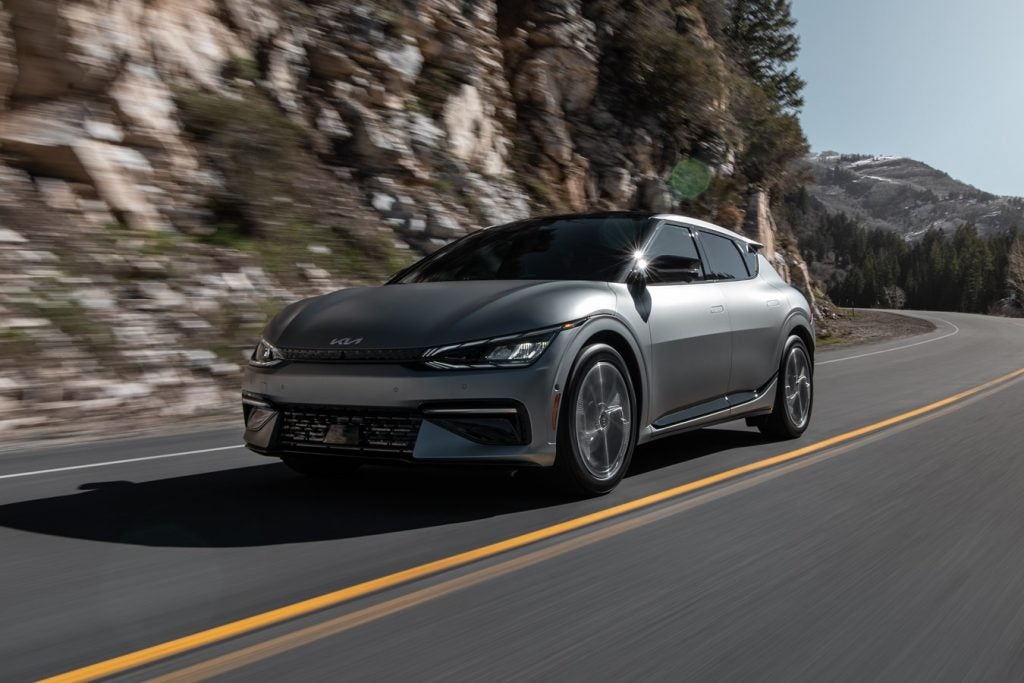
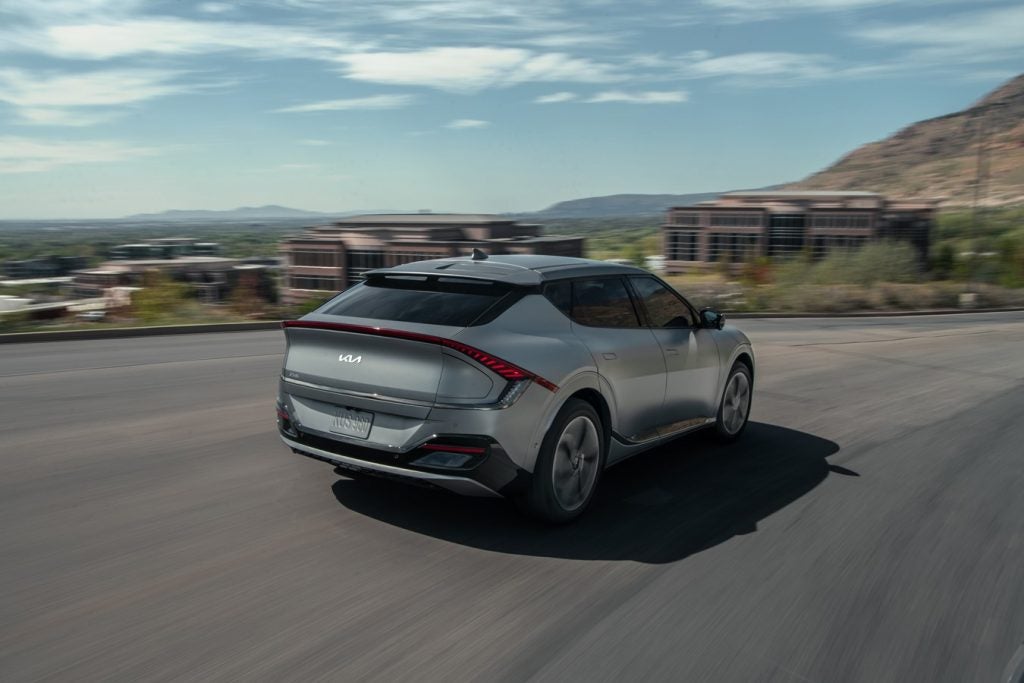
Mounted with the new KIA emblem, the EV6 is due to arrive around January 2022. Not only does it compare with other fully electric vehicles, it's also a crossover with room for your family, friends, and cargo. Let's peruse the information currently available for Kia’s first dedicated EV, the 2022 Kia EV6.
  • Capacities
  • Interior
  • Driving & Safety Features

Capacities

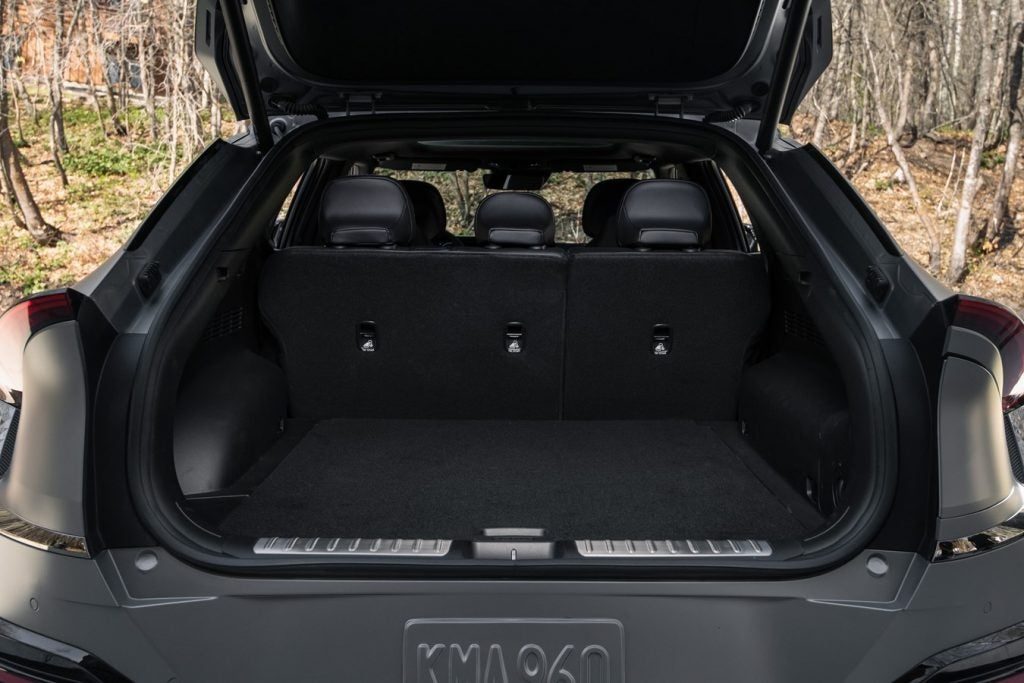
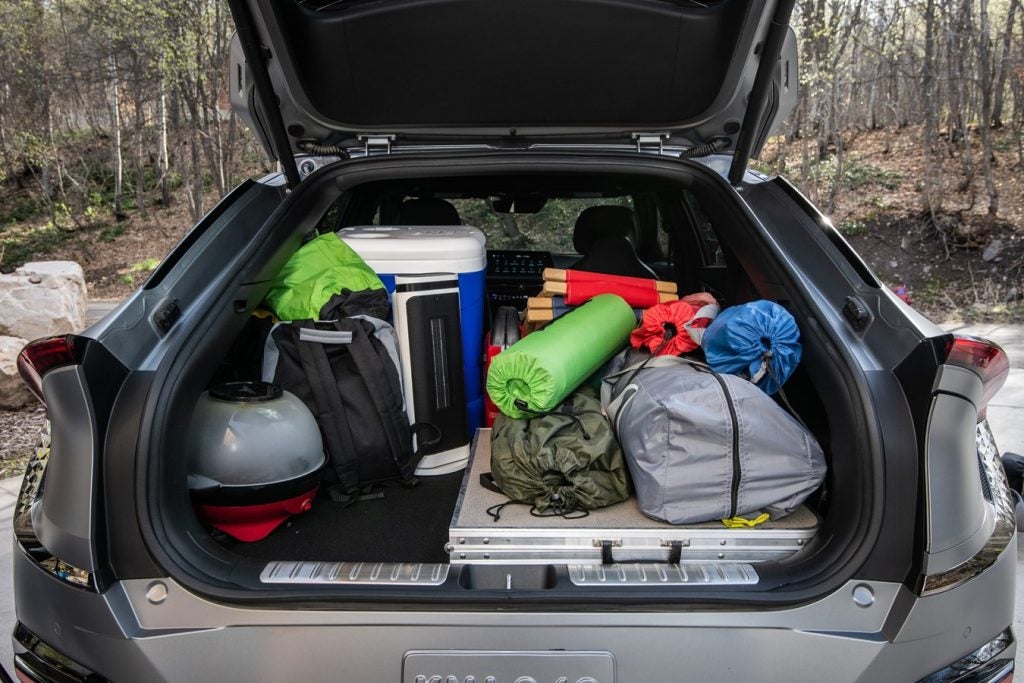
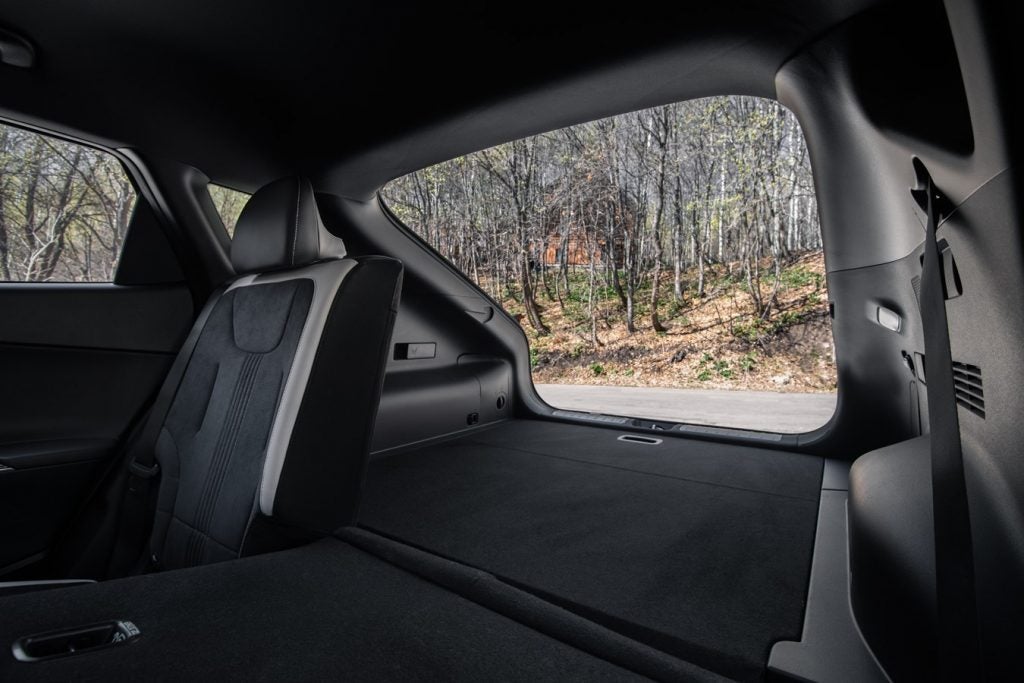
Is the EV6 going to physically fit your lifestyle? With the cargo space of 27.7 cu.-ft. of room behind the second row and 53.5 cu.-ft. of space with the second-row seats folded down, we'd say YES! Definitely, when paired withit's towing capacity of up to 2,000 lbs., up to 300-mile targeted range depending on trim selected, and an impressive 0-60 MPH in 5.2 seconds.
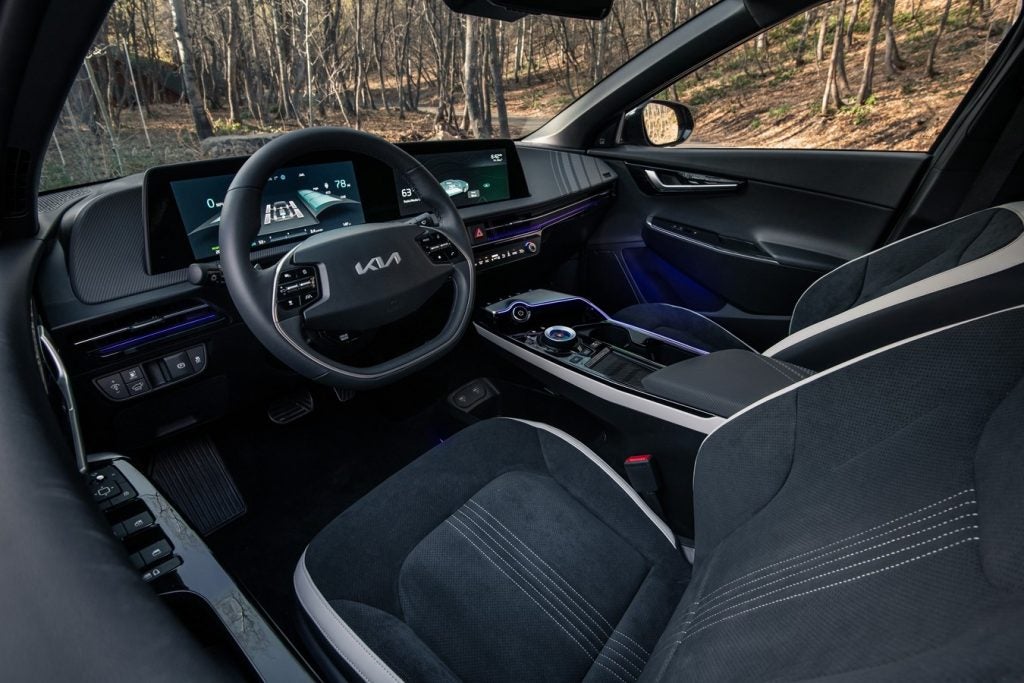
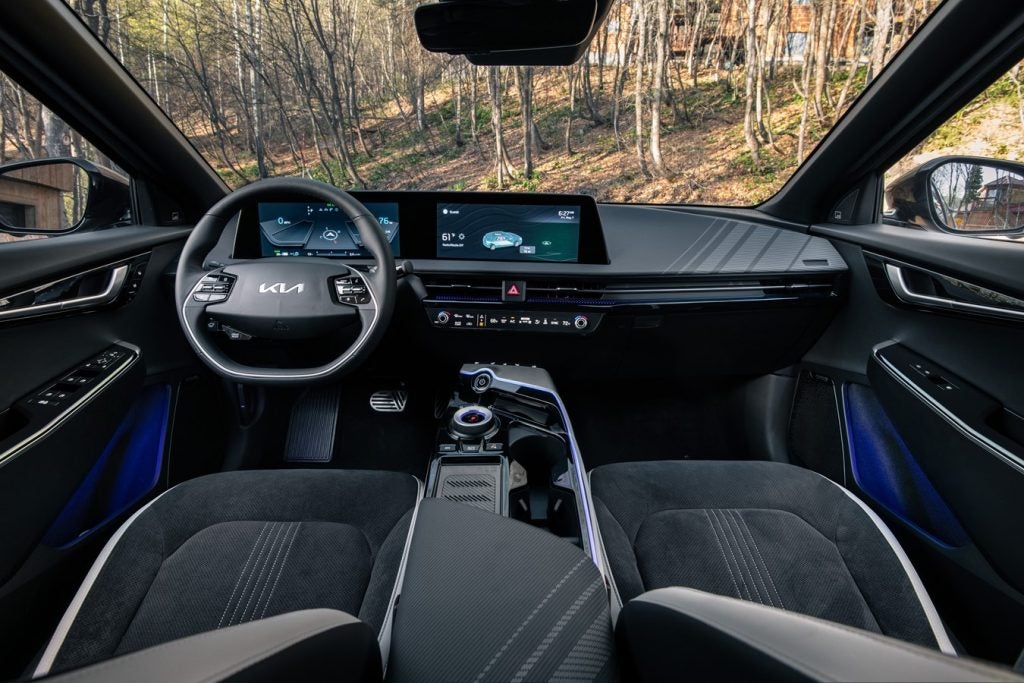
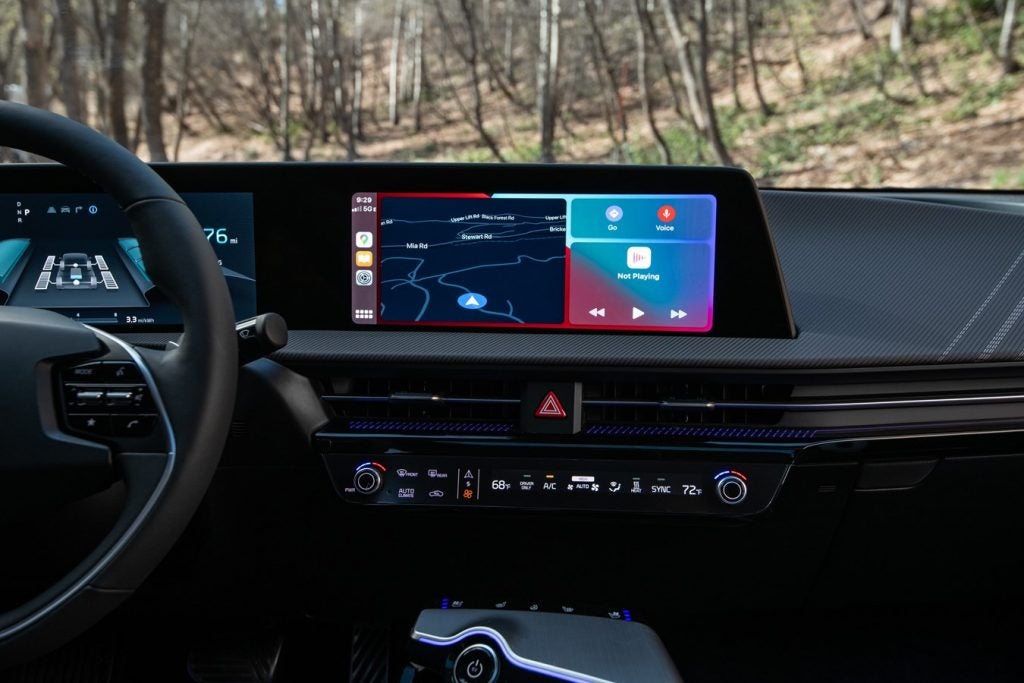
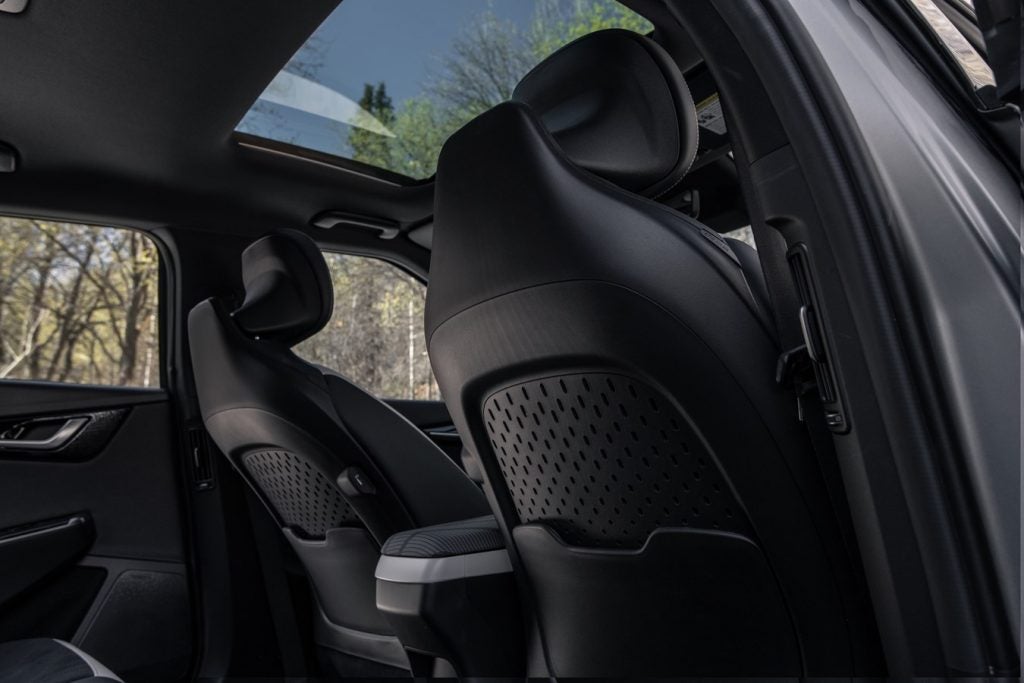
2022 EV6 interior2022 EV6 interior2022 EV6 interior
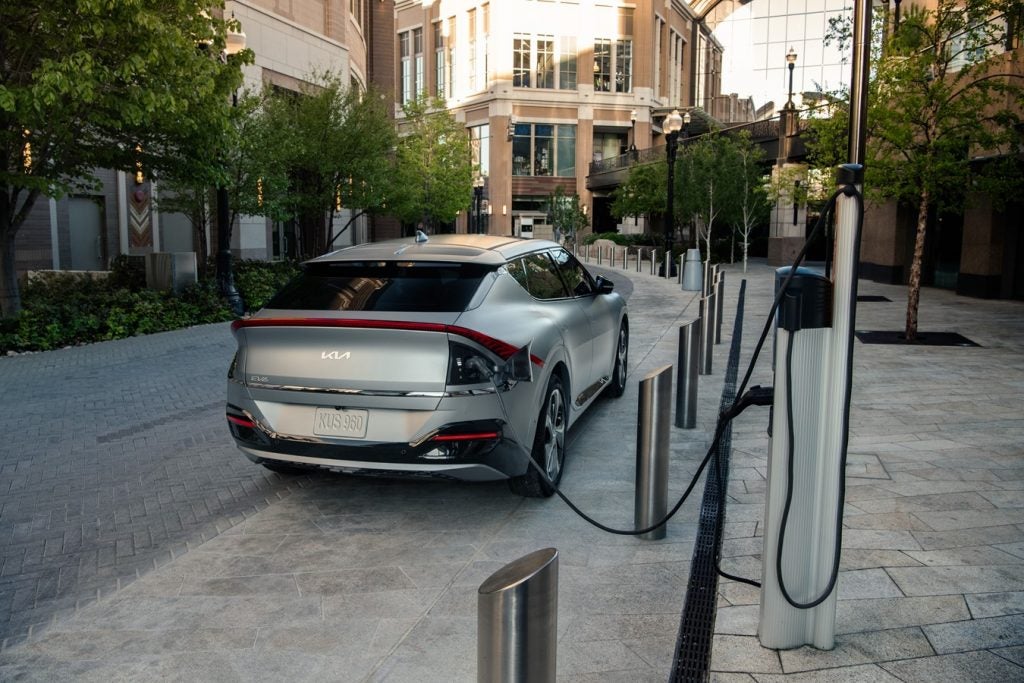
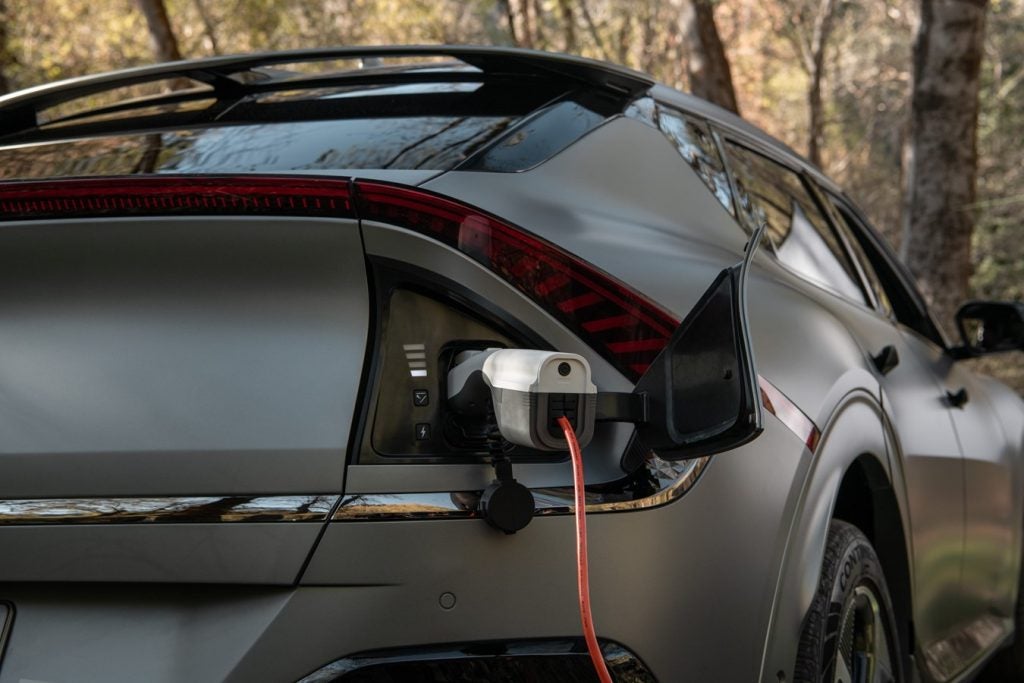
Are you as blown away as we are? The EV6 comes standard with a RWD but has the available AWD option for those interested. When it comes to charging, this beauty is equipped for both 400v and 800v DC fast charging with an 18min time on the 800v charge to 210 miles. The "11kw on-board charger allows for a Level 2 240v recharge overnight from home" for convenient & practical living.

Interior

Inside this EV is a sleek design that perfectly balances futuristic and comfortable. With more information coming soon, here's what is known as of now. The sustainability doesn't end with the full electric power, but reaches to the interior with vegan leather, 100% LED lights, and recycled PET bottles for interior parts! Let's talk entertainment tech! The EV6's "Dual 12.3-inch screens provide a stunning 24 inches of combined curved display for navigation, diagnostic, convenience, entertainment, and immersive vehicle information features. An integrated blue light filter helps reduce eye strain and driver fatigue." (Kia.com) Upgrade it with the available head-up display.

Driving & Safety Features

Lastly, what awesome features are offered? Safety is uncompromised! You and your family's safety is top priority. Cameras and safety sensors can be found all around the EV6 to help you park, drive, merge, and more utilizing these high tech features: Highway Driving Assist 2 (HDA2), Blind-Spot View Monitor (BVM), Surround-view monitor (SVM), and Remote Smart Parking Assist (RSPA). Let's not forget Forward Collision Avoidance Assist (FCA) to help avoid anything disastrous in front or on the side of you.   Stay tuned for more updates on the 2022 Kia EV6!
Posted in:

Recommended Posts

Wheel Alignment and Pothole Damage Checks in Egg Harbor Township, NJ

Wheel Alignment and Pothole Damage Checks in Egg Harbor Township, NJ

Matt Blatt Kia - Wheel Alignment and Pothole Damage Checks in Egg Harbor Township, NJ Between the Atlantic City Expressway merges, Garden State Parkway ramps, and daily errands up and down Black Horse Pike, it’s easy for potholes, rail crossings, and seam patches to nudge your wheels out of alignment. If your steering wheel sits a few degrees off-center after a thud on Tilton Road, or your SUV drifts on smooth pavement, you may be losing tread life by the mile. This guide explains how to spot misalignment and impact damage early, the quick checks you can do at home, and what a professional alignment includes to get your ride tracking straight again. Why alignment matters on Egg Harbor Township roads Alignment controls how your tires meet the road. Proper camber, caster, and toe angles keep your vehicle stable through Parkway crosswinds and lane changes, reduce rolling resistance for better fuel economy, and help modern driver-assistance tech perform predictably. Misalignment accelerates shoulder wear, lengthens wet-road stopping distances, and makes everyday steering feel vague—especially noticeable on the long, straight stretches between Northfield and Somers Point. Addressing small drifts or vibrations now prevents suspension stress later. Local driving adds a twist: many Atlantic County corridors blend new pavement with patched joints, low-speed jughandles, and occasional construction plates. Each surface change can invite subtle, cumulative shifts in geometry. If you haul family gear, carpool, or tow on weekends, the added load compounds tire wear when angles aren’t dialed in. Quick at-home checks before you book You don’t need a shop to spot early clues. Park on level ground and set the steering wheel dead center. Roll forward a few feet to release tire scrub, then visually compare each front tire’s shoulder wear and note the wheel’s position when driving straight. Lightly release pressure on a level lane—no braking—and observe if the car drifts. Finally, check cold tire pressures against the driver-door placard; mismatched pressures can mimic a pull and mask deeper problems. Centering test: If the steering wheel isn’t level on a straight road, geometry or the steering angle sensor may be off. Tread edge scan: Feathered or scalloped edges suggest toe or balance concerns; inside wear hints at excess negative camber. Straight-line drift: Consistent pull on the same road points to alignment; drift that changes sides may indicate tires or crown effects. Speed-specific shake: Vibration between 45–70 mph often signals wheel imbalance or a bent rim from a curb or pothole. Take brief notes—when the symptoms happen, the roads involved, and any recent curb strikes or tire/strut work. These details help a technician zero in faster and save you a return trip. What a professional alignment includes A thorough appointment starts with a road test, then a tire and suspension inspection to find worn tie-rods, ball joints, or bushings that allow angles to wander. Next, your vehicle is mounted on a computerized alignment rack to measure caster, camber, toe, and thrust angle. The technician adjusts to factory tolerances, recenters the steering, and resets the steering angle sensor—vital for stability control and lane-keeping. If you report highway shake, road-force balancing can diagnose a tire’s hard spot and match it to the wheel for a smoother result than basic spin balancing. If you just added tires, a professional will confirm load ratings, torque lugs precisely, and advise on rotation intervals that match your driving—commutes, Parkway miles, or local school loops. When wheels are aftermarket, verifying clearances and rechecking angles prevents rubbing at full lock or during hard braking. After-service documentation matters. Ask for the before-and-after printout and keep it with your maintenance records. It proves angles are within spec and helps you spot pattern changes next time. How often should you align? Many drivers do well with an annual check, sooner if you’ve hit a large pothole, replaced suspension parts, or notice any of the clues above. Roads around Egg Harbor Township can be deceptively straight yet uneven, so listening for the first hint of feathering or steering wander pays off quickly. Frequently Asked Questions: Will an alignment fix my car’s pull after a pothole? Usually, yes. A technician will first rule out brake drag or a low tire, then restore angles to factory spec and recenters the wheel. Do I need new tires to get an alignment? No. If tread is serviceable and wear is even enough, an alignment can slow future wear and improve handling without new rubber. What’s the difference between balancing and alignment? Balancing eliminates wheel/tire vibration at speed; alignment sets suspension angles so the car tracks straight and tires wear evenly. Can misalignment affect fuel economy? Yes. Incorrect toe increases rolling resistance, making engines work harder—noticeable on longer Parkway or Expressway trips. Should AWD vehicles align more often? AWD is sensitive to tire circumference differences. Keeping angles correct and rotations on schedule protects the driveline. Do I need an ADAS calibration after alignment? Most alignments only require a steering angle sensor reset. If collision repairs or camera/sensor work were done, additional calibration may apply. If you want a local team that understands Atlantic County road realities and uses OEM-grade equipment, our service department is ready to help. Schedule online, bring your notes, and let one precise visit save you thousands of miles of unnecessary tread wear. For neighbors near Mays Landing, NJ who split time between town and Shore trips, a fresh alignment can make every mile quieter, steadier, and more relaxing. When you arrive, expect a thorough pre-check, clear communication, and results you can feel the moment you merge back onto Black Horse Pike. One visit with Matt Blatt Kia is often all it takes to rediscover why a truly dialed-in vehicle makes daily driving simpler—and safer. Request more information
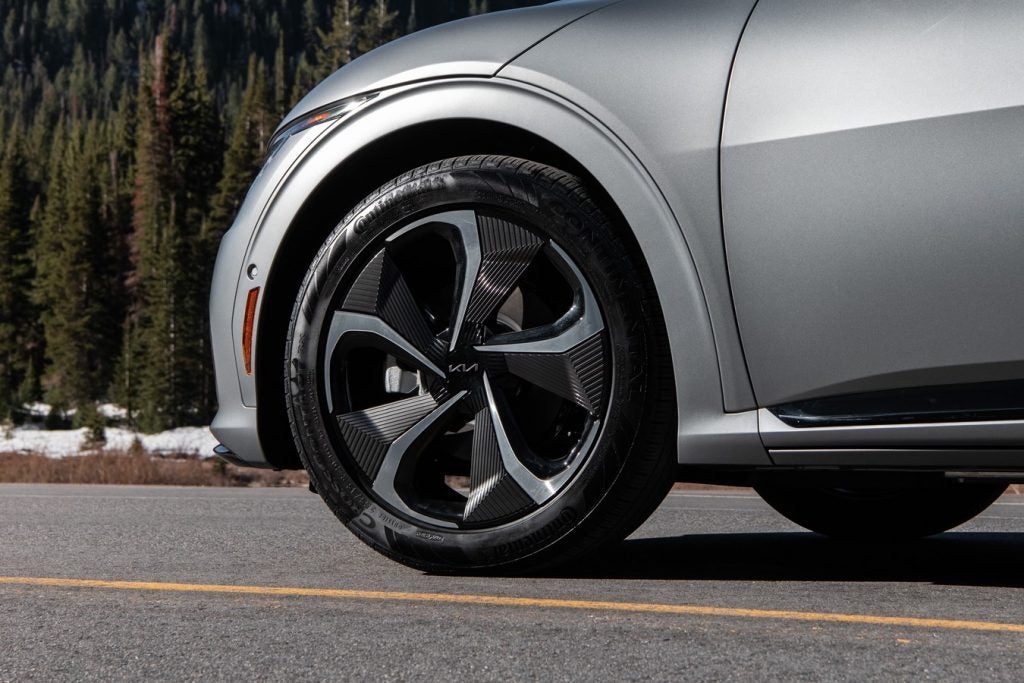
2026 Kia K4 GT-Line Turbo — Smart Power and Everyday Confidence for Absecon, NJ

2026 Kia K4 GT-Line Turbo — Smart Power and Everyday Confidence for Absecon, NJ

Matt Blatt Kia - 2026 Kia K4 GT-Line Turbo — Smart Power and Everyday Confidence for Absecon, NJ The 2026 Kia K4 GT-Line Turbo brings a rare mix of refinement and punch to Absecon, NJ daily driving. Its 1.6L turbocharged engine with 190 hp and 195 lb.-ft. of torque pairs to an 8-speed automatic for crisp, confident acceleration—perfect when merging from Mill Road onto Route 30 or gliding through the lights along the White Horse Pike. But what makes the GT-Line Turbo compelling isn’t just speed; it’s the way the K4 balances performance with technology, space, and a clean, modern cabin that takes the edge off even the busiest commute. Step into the driver’s seat and you’ll find an available Digital Cockpit with Dual Panoramic Displays—two 12.3-inch screens that present key info, navigation, and media in a fluid, low-glare layout. It’s easy to settle in, tap the right menu without hunting through pages, and get your route set before you roll. Standard wireless Apple CarPlay® and Android Auto™ connect quickly, and the available Harman Kardon® sound system lends clarity to both podcasts and playlists. That everyday usability is matched by comfort—GT-Line’s 10-way power driver’s seat with 2-way power lumbar support helps you dial in a posture that still feels just right an hour into your drive. Balanced dynamics that shine on local roads Beyond the numbers, the GT-Line Turbo’s multi-link rear suspension helps it feel poised in the real world. Over the long bridge approaches and uneven surfaces you’ll find around Absecon, the K4 tracks neatly with reassuring stability. Steering weight is natural and predictable, and the transmission is tuned for both fluid takeoffs in traffic and clean downshifts when you need a burst of passing power. The GT-Line sport steering wheel with paddle shifters adds a tactile edge, especially on twistier stretches northwest of the city. That confidence carries into the K4’s driver assistance suite. Available Highway Driving Assist 2 can help maintain lane centering and provide steering input for lane changes on certain highways when activated. In tight parking areas, the available 360° Surround View Monitor and available Front, Rear & Side Parking Sensors help you see more, so squeezing into a curbside spot or navigating a crowded lot becomes less stressful. Add in available Blind-Spot View Monitor, and you’ve got a deeper layer of awareness when lane changes come quickly. Screen clarity, voice intelligence, and simple connections The K4 GT-Line Turbo’s tech story doesn’t end at the displays. Kia’s first available AI Assistant makes voice interaction feel more natural—ask questions, set a destination, or adjust features with conversational prompts. It complements the intuitive touchscreen layout and helps you stay focused during complex traffic. Wireless Apple CarPlay® and Android Auto™ are standard across the K4 lineup, and available features like Remote Start & Climate Control and Digital Key 2.0 elevate convenience when hands are full or you want to precondition the cabin before hopping in. As you’d expect, software is part of the long game. With available Over-the-Air Updates, the K4 can receive select infotainment enhancements automatically. It keeps the experience fresh and aligned with your habits—no complicated visits required for routine updates. Space where it counts—especially for friends and family One of the quiet triumphs of the 2026 K4 is space. With class-leading second-row legroom, you don’t have to choose between a tidy exterior footprint and adult-friendly rear seating. Carpooling to dinner near Absecon Lake Park, heading to a Shore-bound meetup, or chauffeuring kids and gear after practice—each feels easier when rear passengers have room to stretch. And with the GT-Line’s folding rear seatbacks, bulky items and weekend projects have a place to go. Turbocharged Power: 1.6L engine with 190 hp and 195 lb.-ft. for brisk, confident acceleration. Dual Panoramic Displays: Two 12.3-inch screens for navigation, media, and vehicle info in one clean view. Multi-Link Rear Suspension: GT-Line tuning that smooths out uneven pavement and keeps handling composed. Driver Assistance Depth: Available Highway Driving Assist 2, 360° Surround View Monitor, and Blind-Spot View Monitor. Everyday Connectivity: Standard wireless Apple CarPlay®/Android Auto™, available Remote Start & Climate Control. Safety is no afterthought. The 2026 K4 continues the strong safety engineering of the K4 family, including available Auto Emergency Braking technologies with Pedestrian, Cyclist, and Junction Turning Detection when actively engaged. Lane Keeping & Following Technology, Smart Cruise Control w/ Stop & Go, and High Beam Assist come together for an integrated sense of calm—especially when your route takes you from neighborhood streets to faster-moving highways. What this means for Absecon, NJ drivers Absecon’s daily traffic mix can be a lot—local errands, school drop-offs, the White Horse Pike flow, and that quick dash to Route 30 for Shore access. The 2026 K4 GT-Line Turbo’s focused power, composed chassis, and clear-as-day interface help make each of those drives feel more controlled. And for the moments that demand precision—tight parallel parking near local shops or lane shifts through busier sections—the K4’s available parking and blind-spot technologies lend that extra layer of reassurance. At Matt Blatt Kia, we understand the details that matter most locally: easy smartphone mirroring for quick call-backs, parking features that truly simplify a tight spot, and driver assists you’ll actually use. We’re committed to helping you select the right K4 GT-Line or GT-Line Turbo configuration that matches your daily rhythm. Frequently Asked Questions: Is the 1.6L turbo only available on the GT-Line Turbo trim? Yes. The 1.6L turbocharged engine with 190 hp and 195 lb.-ft. is exclusive to the GT-Line Turbo trim and pairs with an 8-speed automatic transmission. Do all trims get wireless Apple CarPlay® and Android Auto™? Yes. Every 2026 K4 includes wireless Apple CarPlay® and Android Auto™ for quick, cable-free connections. What advanced parking features can I add? Available Front, Rear & Side Parking Sensors and the available 360° Surround View Monitor help with low-speed maneuvering and tight spaces. How does Highway Driving Assist 2 help? When available and actively engaged on certain highways, it can help maintain speed, following distance, and lane centering, and it can assist with lane changes when the turn signal is activated. Is there a premium audio option? Yes. An available Harman Kardon® Premium Audio System delivers rich, balanced sound quality across the cabin. We’re proud to be serving Mays Landing, Absecon, and Atlantic City with a compact sedan that feels tailored to real local driving—confident acceleration, clear tech, roomy seating, and safety features that earn their keep. If you’re considering the GT-Line Turbo for everyday commuting and weekend flexibility, this K4 variant deserves a top spot on your shortlist. Request more 2026 Kia K4 information

Kia TPMS Sensors, Valve Stems, and Tire Care Essentials in Mays Landing, NJ

Kia TPMS Sensors, Valve Stems, and Tire Care Essentials in Mays Landing, NJ

Matt Blatt Kia - Kia TPMS Sensors, Valve Stems, and Tire Care Essentials in Mays Landing, NJ If your tire light keeps popping on during commutes along Route 322 or after weekend runs to Lake Lenape, it might be time to look closer at your TPMS sensors and tire health. A reliable Tire Pressure Monitoring System is essential on Mays Landing, NJ roads where temperature swings, potholes, and salt air can lead to slow leaks or drifting pressures. This guide breaks down how TPMS works, when to replace sensors, and the smart way to pair new sensors with the right tires and valve hardware—so your Kia stays calm and confident, mile after mile. What your TPMS is telling you—and why it matters Your Kia’s TPMS keeps tabs on air pressure in each tire and alerts you to a loss that can impact braking, handling, and fuel economy. Direct TPMS sensors (mounted inside the wheel) use a battery and transmitter. Over time—typically 5–10 years—the sensor battery degrades, and readings can get erratic. If your warning light flashes for 60–90 seconds and then stays solid, or if pressure readings do not match an accurate gauge, the issue may be a failing sensor rather than a nail in the tread. On familiar Mays Landing routes where curbing or construction debris is common, a valve stem or seal can also be the culprit. Smart first step: verify pressures with a quality gauge when the tires are cold, then compare values to the door-jamb placard. If readings look right but the display is off—or if the light returns shortly after a reset—schedule a TPMS check. A trained technician can scan sensor IDs, battery status, and signal strength, then re-learn or replace as needed. Replacing TPMS sensors the right way When a sensor fails, replacement is straightforward with the proper tools and software. Each new sensor must be programmed or cloned to your Kia’s ID set so the control module recognizes it. Any time a tire is off the rim—say, during a rotation requiring dismount, a flat repair, or a new tire install—it is smart to service the valve stem or replace the sensor if the battery is near end-of-life. That saves a second visit and prevents slow leaks caused by aged rubber seals or corrosion from coastal air. During the service, a technician should inspect wheel barrels for debris and bead seats for corrosion, replace the valve core and grommet, torque the nut to spec, and re-learn sensor IDs. Finish by setting cold pressures to placard levels—common Kia targets range widely by model and load rating—and road-test to confirm stable readings. Done right, you will see reliable, accurate pressures across your dash within minutes. Pairing TPMS service with the right tires Fresh sensors work best with tires that hold pressure consistently and match your Kia’s load and speed requirements. When it is time to replace tires, ask for options that fit your exact wheel size and driving mix—Garden State Parkway cruising, Tilton Road errands, or summer trips to Ocean City. We stock major brands—Hankook, Kumho, Goodyear, Nexen, Michelin, Dunlop, and Yokohama—and can recommend tread patterns that resist hydroplaning while maintaining a quiet ride. Proper fitment matters for TPMS health too: the correct tire casing and bead design help seal correctly, and quality valve hardware maintains airtight integrity. Before mounting, your shop should measure tread depth on existing tires, check for irregular wear that might indicate alignment or suspension concerns, and reset the TPMS after final torque. For many drivers, adding a tire rotation schedule every 5,000–7,500 miles keeps pressures more even across axles and extends tread life. Local checklist: keep your tire pressures steady in Atlantic County Cold morning checks: Test pressure before driving—tires heat up on AC Expressway commutes and can mask low baselines. Door-jamb specs: Set pressure to the Kia placard, not the sidewall max; the placard reflects your vehicle’s dynamics. Seasonal swings: Expect roughly 1 psi change for every 10-degree temperature swing; adjust proactively in shoulder seasons. Valve care: Replace caps if missing and request new grommets/cores during tire service to prevent slow leaks. Wheel cleaning: Avoid harsh chemicals on valve stems; gentle soap helps prevent rubber drying and cracking. These quick habits make a real difference on Mays Landing roads with potholes, salt spray, and temperature variability. Good pressures keep your braking distances short, steering predictable, and cabin quieter—especially on concrete sections or grooved surfaces near Galloway, NJ where underinflation can amplify noise. Frequently Asked Questions: How do I know if my TPMS sensor battery is dying? Common signs include a flashing TPMS light at start-up, inconsistent readings versus a manual gauge, or frequent reappearance of the warning after resets. A scan tool can confirm sensor battery status and signal strength. Can I replace just one TPMS sensor? Yes, you can. If one fails due to damage, a single replacement is fine. If sensors are aging out, replacing the full set proactively during tire service can save time and repeat labor. Do I need new sensors when I buy new wheels? Not always, but you will need compatible sensors for the new wheel design. Always transfer or replace with sensors that match your Kia’s frequency and protocol, then re-learn IDs. What pressure should I run when carrying family and gear? Use the door-jamb placard as your baseline. Some Kia models have load-based recommendations; if unsure, ask a parts or service advisor to confirm spec for your trim and tires. Why does my TPMS light come on during shore trips? Temperature changes and sustained highway speeds can swing readings. Verify cold pressures before you leave Mays Landing, and check again after returning. If the light persists, have sensors and valves inspected near Galloway, NJ. Your tires, sensors, and valve hardware work as a system—maintain them together and your Kia will reward you with sharper handling, shorter stops, and a more relaxed drive. When you are ready, stop by our tire and parts counter in Mays Landing’s orbit for options that fit your exact model, from Sportage and Sorento to Seltos and Telluride. We can program new sensors, set precise cold pressures, and mount the right tires for your daily routine or weekend shore runs—fast and professionally. For one-stop confidence, our team will measure tread depth, inspect valve hardware, and perform a final TPMS re-learn before you roll out. Visit us for expert guidance and dependable parts support; at the end of the day, that single well-timed tire and TPMS service can prevent flats, improve fuel economy, and keep your dashboard calm. Matt Blatt Kia is ready when you are. Request more information