

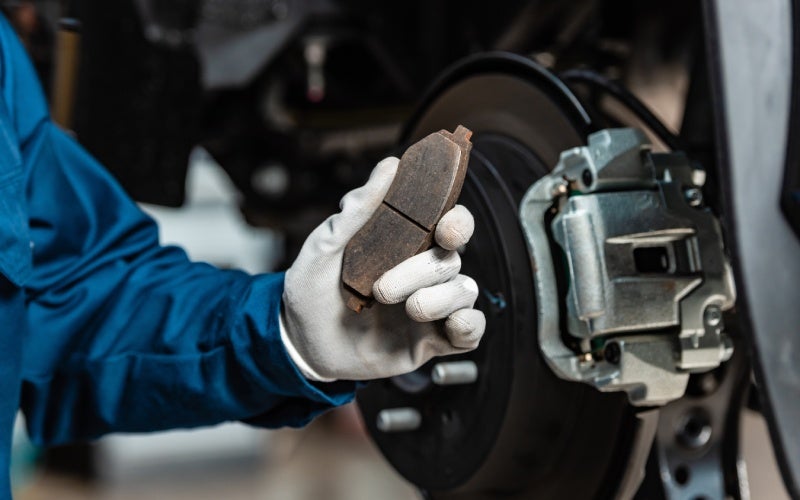
Matt Blatt Kia - Brake Inspection Warning Signs for Galloway, NJ Drivers Brakes are one of the most important safety systems on your vehicle, yet brake wear is easy to overlook because it often happens gradually. For Galloway, NJ drivers, daily routes can include school drop-offs, Garden State Parkway access, Route 30 travel, errands around town, and steady stop-and-go driving toward Atlantic City or Egg Harbor Township. Each stop adds a little wear to brake pads, rotors, calipers, hoses, and fluid. The key is knowing when normal wear has become a service concern. If your vehicle is making new noises, pulling to one side, vibrating during braking, or requiring more pedal pressure than usual, a professional inspection is the right move. A brake inspection is not only for vehicles with obvious problems. It is also a smart part of routine maintenance because technicians can measure pad thickness, examine rotor condition, check brake fluid, inspect visible hardware, and look for uneven wear patterns. Catching a concern early can help protect other brake components. For example, replacing worn pads at the right time may help prevent metal-to-metal contact that can damage rotors. A simple inspection can also identify problems that feel like brake issues but may involve tires, suspension, wheel bearings, or alignment. Common Brake Warning Signs You Should Not Ignore The most familiar brake symptom is a high-pitched squeal. Many brake pads include a wear indicator that creates this sound when pads are approaching replacement. While the noise may come and go at first, it should not be dismissed. Grinding is more serious because it can mean the brake pad material is worn down and metal is contacting the rotor. If you hear grinding, scheduling service promptly can help reduce the risk of additional damage. Squealing: A high-pitched sound can indicate that pad wear indicators are contacting the rotor surface. Grinding: A harsh scraping noise may mean pads are severely worn and rotor damage is possible. Vibration: A pulsing brake pedal can be linked to uneven rotor surfaces or related wheel-end concerns. Pulling: A vehicle that moves left or right while braking may have uneven pad wear, caliper issues, hose concerns, or brake fluid problems. Soft pedal feel: A pedal that feels spongy or travels farther than normal can point to a brake fluid or hydraulic system issue. Pad thickness is another important measurement. When brake pads reach around 2 to 3mm, replacement is typically needed. Pads around 4 to 5mm are usually getting close, depending on driving habits and vehicle use. Galloway drivers who make frequent short trips may use brakes more often than someone who spends more time at steady highway speeds. Vehicles carrying passengers, cargo, sports gear, or beach equipment may also put added demand on braking components. Why Local Driving Conditions Affect Brake Wear South Jersey driving creates a wide range of brake demands. A weekday commute may involve repeated stops at lights, while a weekend route toward the shore may combine higher speeds with sudden slowdowns. Roads near shopping centers, schools, medical offices, and neighborhood intersections can require frequent braking in a short distance. Even careful drivers can experience faster wear when most trips are short and involve constant slowing, turning, and parking. Road condition also plays a role. Potholes, uneven pavement, curb bumps, and road debris can affect tires, wheels, steering, suspension, and alignment. Those systems are separate from brakes, but problems in one area can change how braking feels. For example, a vibration during stopping may involve rotors, but wheel balance or tire concerns can also contribute. This is why a professional inspection is helpful: technicians look at the full picture rather than guessing from one symptom. What Happens During a Professional Brake Inspection At Matt Blatt Kia, our factory-trained technicians inspect brake components with safety, fit, and long-term reliability in mind. A typical brake inspection can include measuring pad thickness, checking rotor condition, looking for uneven wear, reviewing caliper movement, examining brake hoses, and checking brake fluid condition. If your dashboard warning light is on, diagnostic equipment can help identify whether the concern is related to braking, stability control, ABS, or another vehicle system. Using quality parts is also important. Genuine Kia brake pads, rotors, and hardware are designed for proper fit and performance on Kia models, and our parts department can help with maintenance-related parts for many needs. Our service team also works on most makes and models, so households with more than one vehicle can turn to one convenient service center near Northfield, NJ for routine maintenance, brake inspections, tires, batteries, filters, and diagnostics. Kia owners receive the added advantage of Kia-certified procedures and access to OEM components engineered for specific models. When to Schedule Brake Service You should schedule a brake inspection whenever braking feels different from normal. Do not wait for a warning light if your vehicle is squealing, grinding, pulling, shaking, or taking longer to stop. It is also smart to ask for a brake check during regular maintenance, tire rotation, or oil change visits. Pairing services can make ownership easier because technicians can inspect several wear items at once, including tires, wipers, battery condition, filters, and visible suspension components. Drivers with busy schedules can use online scheduling to choose a service time that works, and eligible routine maintenance may be available through Express Service. Service hours run Monday through Saturday, giving Galloway-area drivers practical appointment options without waiting for a problem to become urgent. If your brake concern is part of a larger repair, service advisors can explain what was found, which items are immediate, and which items can be monitored over time. Frequently Asked Questions: How often should brakes be inspected? Brake inspections are a good idea during routine maintenance visits or anytime you notice noise, vibration, pulling, a soft pedal, or reduced stopping confidence. Is squealing always a sign that brakes need replacement? Not always, but squealing commonly indicates pad wear or brake surface concerns. A technician can measure pad thickness and inspect related components. Can worn tires make braking feel worse? Yes. Tires affect traction and stopping distance. Worn or underinflated tires can reduce braking performance, especially on wet roads. Should rotors always be replaced with pads? Not necessarily. Rotor condition, thickness, surface quality, and manufacturer specifications determine whether resurfacing or replacement is appropriate. If your brakes feel different, sound different, or have not been inspected recently, now is a smart time to schedule service. A professional brake check can help you drive with more confidence and avoid surprises on daily routes through Galloway, Egg Harbor Township, and nearby Atlantic County communities. Request more information
 Warranties include 10-year/100,000-mile powertrain and 5-year/60,000-mile basic. All warranties and roadside assistance are limited. See retailer for warranty details.